
Measurement plan
A written list of what is tracked and why, agreed before a single tag is created.
Analytics that answers where the money comes from, not just how many people visited. Tag Manager, GA4 and Metrica wired into your ad platforms and CRM, with events that match real business steps.
A written list of what is tracked and why, agreed before a single tag is created.
Clean, documented, versioned — so the next person can work in it without archaeology.
Configured properly: cross-domain, filtered internal traffic, sensible retention.
A specification for developers so events survive the next site release.
Forms, calls, messengers and CRM stages tied back to the traffic source.
One screen showing spend, leads and cost per lead by channel.
What is already collected, what is broken, and what is silently double-counted.
Events, parameters and conversions agreed in writing.
Container, tags, Data Layer, integrations with ad platforms and CRM.
Every event tested against real user actions before sign-off.
Documentation and a recorded walkthrough for your team.
Usually not. A default install records pageviews; it rarely records the steps that actually indicate a sale.
Most of it goes through Tag Manager without touching the code. A Data Layer for a store or an app does need developer time — I write the spec for them.
If the CRM has an API or webhooks, yes. Bitrix24, amoCRM and HubSpot are the ones I connect most often.
The setup is one-off. Support and dashboard changes can be ongoing if you want them.

Website, Google Ads and Instagram for a Manhattan nail salon: 1,170 online bookings and $128K in revenue in 10 months.

Ads, a website and an online store for a Russian manicure salon chain in New York: 778+ bookings in a year.

Meta and Google Ads for a chain of buccal facial massage studios in New York: 4,370 conversions at a $0.48 click.
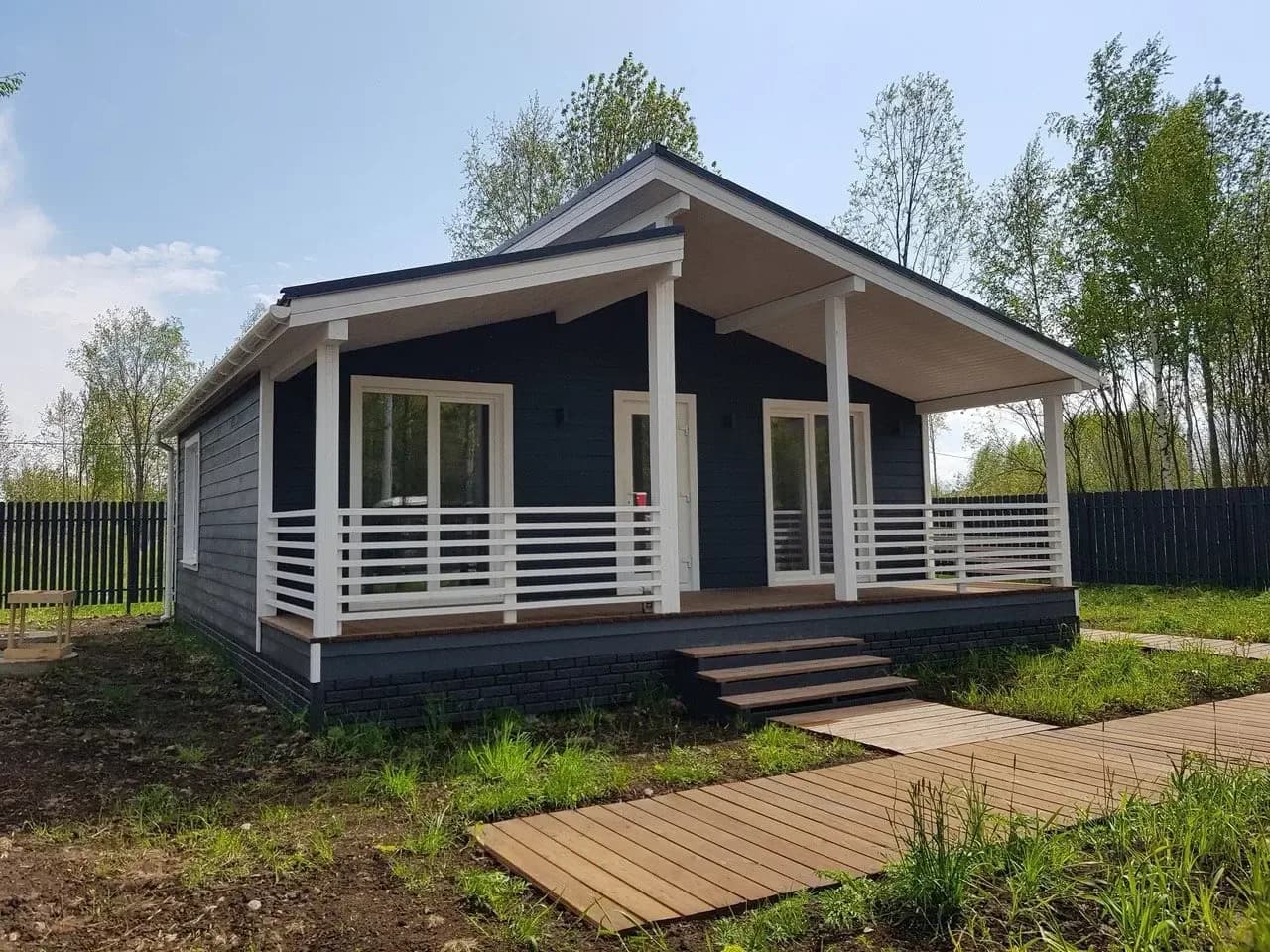
Website, Yandex Direct, Google Ads and end-to-end analytics for a frame-house builder: 200,000+ visits and 33,000 interactions.